



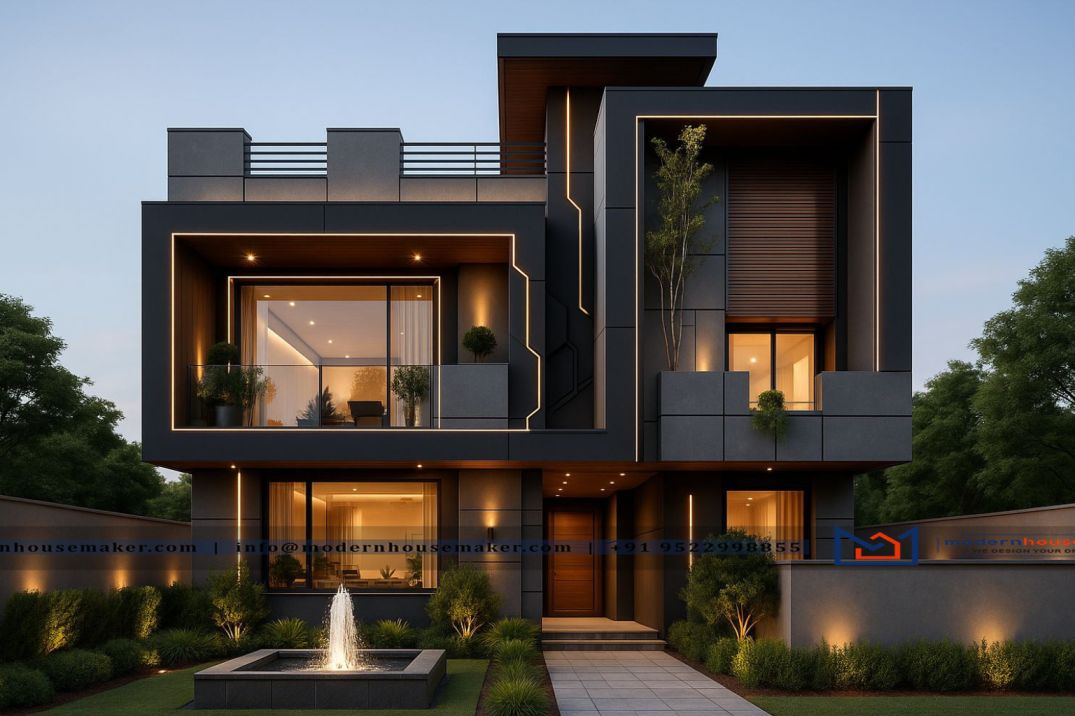
What makes a villa plan feel truly luxury
Luxury is quiet confidence, not show. The plan should make mornings easy, days bright, and nights private. We start with a simple rule: one strong indoor–outdoor link from living–dining to a deck, lawn, or courtyard. That one move turns 60–90 minutes of every day into better time.
Second, place morning light where you need to start the day—kitchen, breakfast, study. Third, reserve the best views for living + primary suite. Finally, keep the service path (utility, back kitchen, staff entry) short and invisible from public areas.
A luxury home feels effortless when circulation is short, storage is boring but abundant, and glare/heat are managed by orientation—not just AC tonnage.
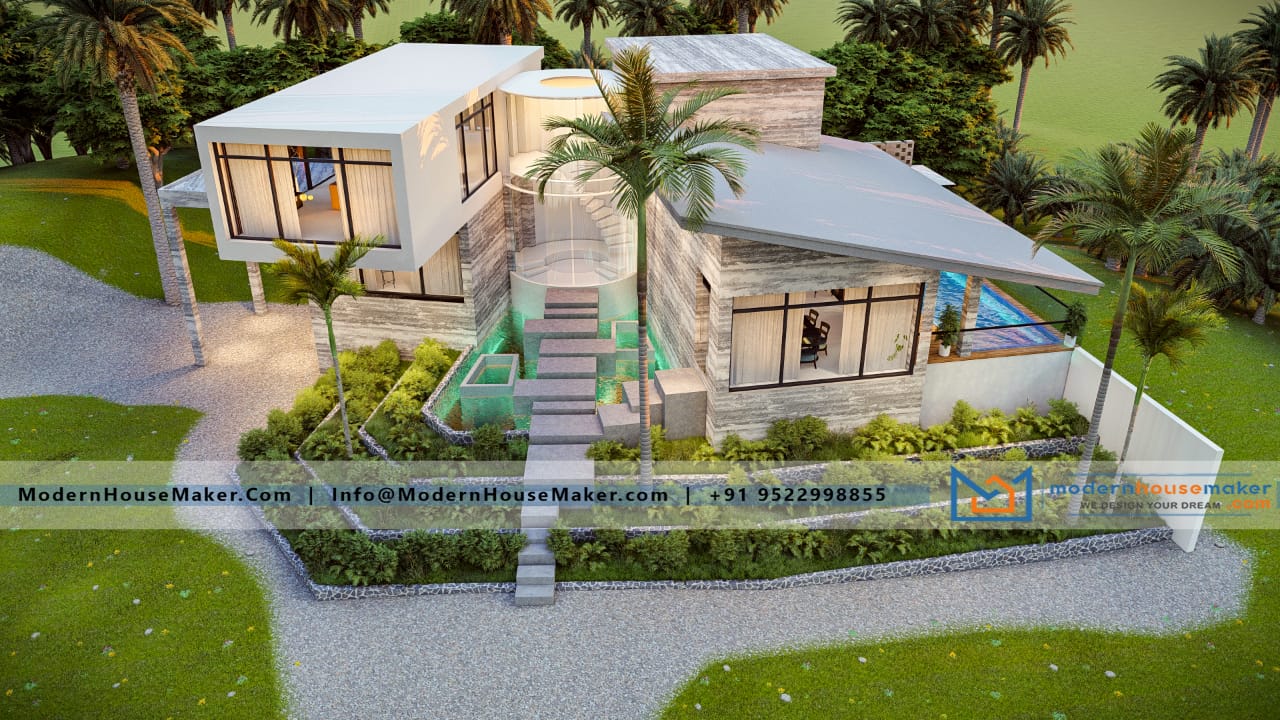
Plot‑wise frameworks that actually work
30 × 40 ft (1200 sq ft)
Best as a compact 2.5–3 BHK. Stack services on one side (toilets, stair, utility) and keep the opposite side open to light. A slender court or skylight over the stair brings daylight to the centre. Put one bedroom on the ground (parents/guest) and two above. Car porch can be a light pergola to avoid darkening the living.
30 × 50 ft (1500 sq ft)
3 BHK with a real yard. Use a front–back axis: entry → living–dining → rear court. Kitchen near the court for ventilation. Utility stacks above the kitchen. If you add a study, steal depth from wardrobes and let a shared study loft float over them.
30 × 60 ft (1800 sq ft)
3.5–4 BHK. Put a central courtyard for cross‑ventilation. Primary suite faces the quieter side; kids’ rooms share a long study wall with windows high for diffuse light. Plan a future lift shaft near the stair.
40 × 60 ft (2400 sq ft)
4–5 BHK with a garden edge. Create a clear visual axis from entry to garden/pool. Make the formal living separable by pocket doors. Provide a staff entry near the kitchen and a mud entry from the car porch.
60 × 90 ft
Now you can stretch: a pavilion by the pool, a den on ground that flips to a guest suite, and a basement media room. Keep noisy play zones away from bedrooms. Add a small garden store and an EV charging bay.
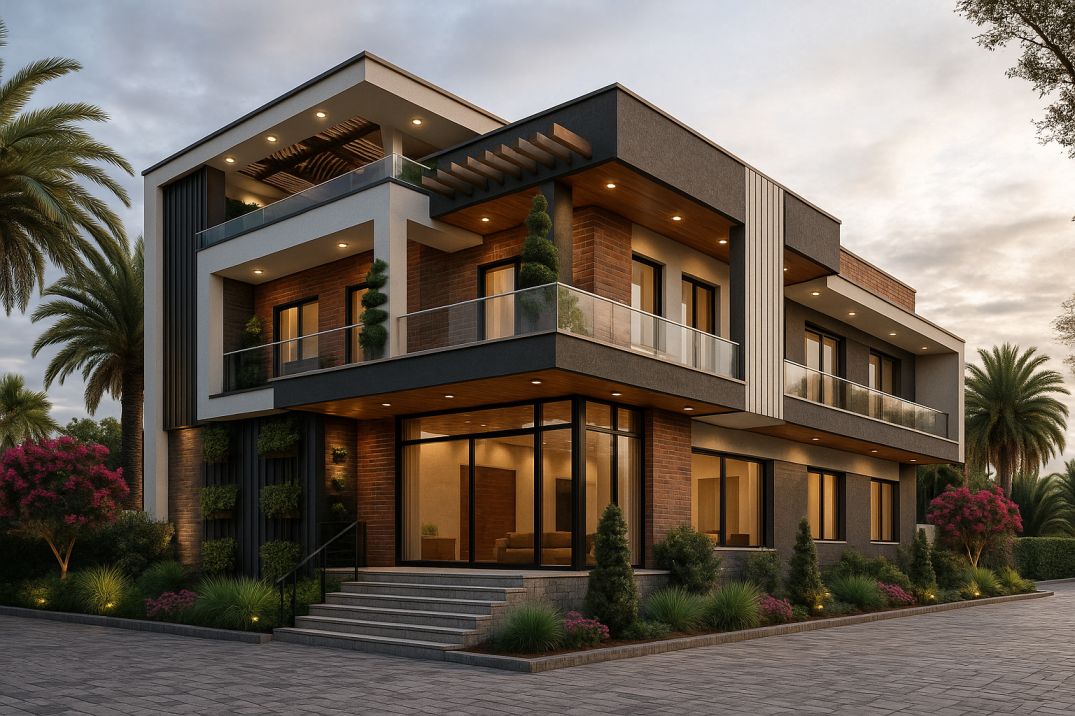
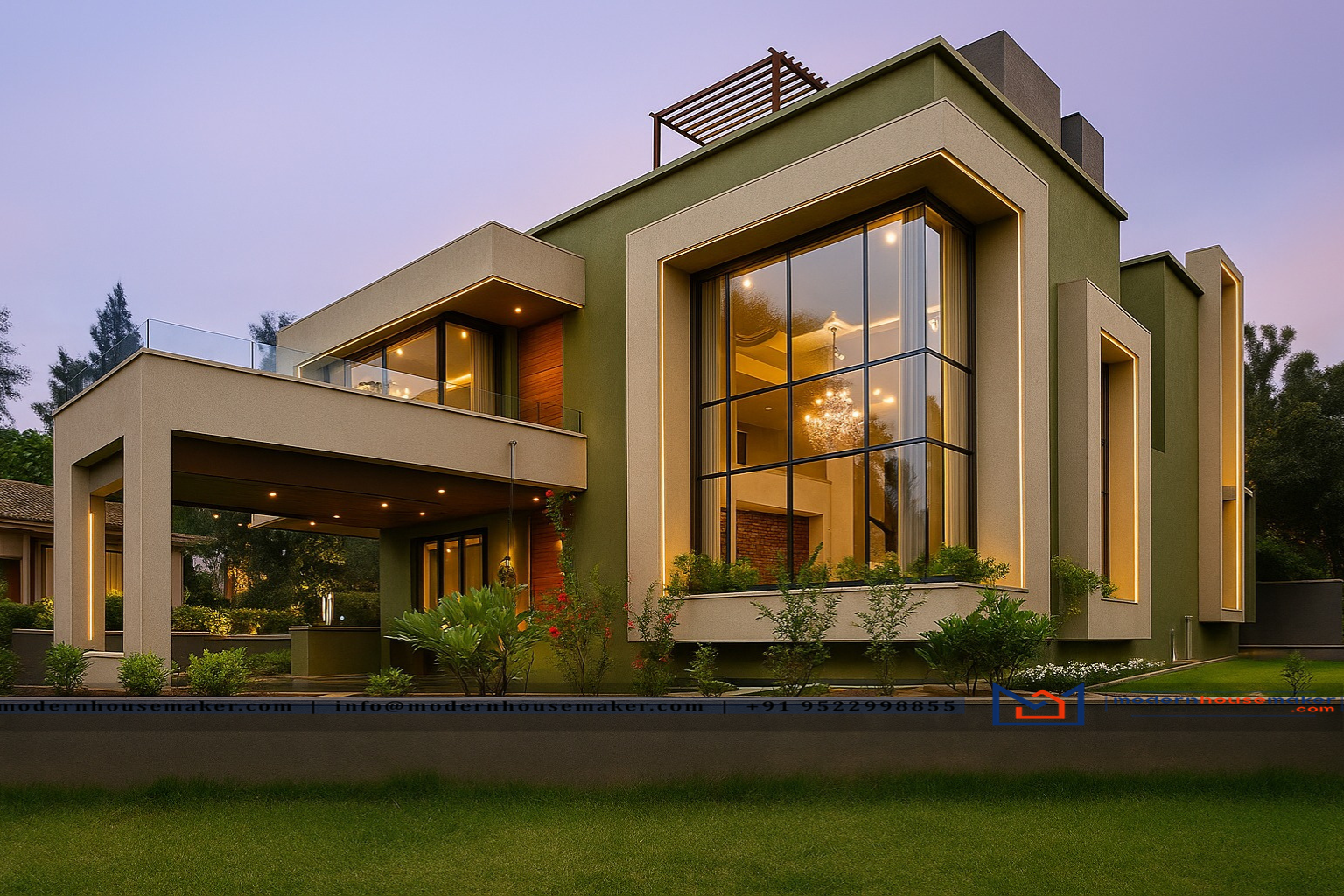
The 7‑step planning process we follow
- Brief & priorities: family size, routines, hobbies, storage, staff, pets.
- Site study: sun path, prevailing winds, neighbours, approach road, trees, views.
- Mass & zoning: where the house sits on the plot; noisy vs. quiet; public vs. private.
- Daylight & ventilation: courts, window heights, shading depth, west protection.
- Circulation: shortest paths for residents and for services (groceries → kitchen etc.).
- Detailing: storage walls, utility layout, dirty/clean kitchen split, shoe/coat/mud area.
- Future‑proofing: lift provision, study/bed flex room, rooftop solar + water reuse.
Room size cheatsheet (usable, not bloated)
| Space | Comfortable size (approx.) | Notes |
|---|---|---|
| Living–Dining (family) | 340–480 sq ft | Open to deck/court; plan for 6–8 seat dining. |
| Formal living (optional) | 140–200 sq ft | Make it closeable to double as guest room. |
| Kitchen | 120–160 sq ft | Back kitchen 60–100 sq ft + utility 40–80 sq ft. |
| Primary bedroom | 180–240 sq ft | Walk‑in 45–70 sq ft; bath 70–110 sq ft with skylight. |
| Children’s bedrooms | 130–170 sq ft | Shared long study; windows high for diffuse light. |
| Guest/Parents’ room (ground) | 130–170 sq ft | Close to a larger, accessible bathroom. |
| Home office | 80–120 sq ft | Morning light + good acoustic door. |
| Stair | 3'6"–4'3" clear | Add skylight or a high window to light the core. |
| Theatre/Media | 150–230 sq ft | Acoustic door; avoid adjacency to bedrooms. |
Note: Sizes vary by bylaws and furniture. Check FSI/FAR, setbacks and height rules before locking layouts.
Vastu & orientation (simple, effective)
- Use vastu as a zoning guide, not a constraint.
- Keep heavy services to south/west; living/puja towards north/east.
- Give kitchen and study morning light; protect bedrooms from harsh west sun with fins, verandahs, and trees.
- West‑facing site: push primary garden to south/east and design deep shade on the west façade.
Services & sustainability that pay back
- Water: rainwater recharge pits; grey‑water for garden; overhead tanks in shade.
- Power: rooftop solar where feasible; plan conduits early; EV point in car porch.
- Cooling: cross‑vent courts; ceiling fans; sensible shading; high‑performance glass only where needed.
- Acoustics: solid core doors for theatre/office; seal gaps; isolate noisy equipment.
- Maintenance: service shafts, accessible clean‑outs, and storage walls instead of scattered tiny stores.
Costs & realistic timeline (indicative)
| Stage | What it includes | Indicative timeline |
|---|---|---|
| Concept & planning | Brief, plot study, 2–3 layout options, massing/elevation direction | 2–4 weeks |
| Design development | Detailed plans, structure inputs, MEP routes, key finishes | 3–6 weeks |
| Execution drawings | GFC/working drawings, BOQs, schedules, tender set | 4–8 weeks |
Timelines depend on authority approvals, soil/structure reports, and contractor mobilization. Ask for a project calendar specific to your plot.
Common mistakes & quick fixes
- Too many voids: Double‑height spaces that steal area. Fix: One well‑placed void near the garden is enough.
- No back kitchen: Show kitchen becomes a mess. Fix: 60–100 sq ft back kitchen + utility.
- Hot west windows: Glare and heat. Fix: deep fins, pergolas, or move openings.
- Storage everywhere, nowhere: Tiny stores all over. Fix: one continuous storage wall per floor.
- Noise leakage: Theatre near bedrooms. Fix: basement or a corner with acoustic door.
FAQs
How big should a luxury villa be?
For a family of four, 3,000–4,500 sq ft built‑up with smart storage usually feels generous. Bigger helps only if the plan stays efficient and bright.
What’s one upgrade that feels truly premium?
A real mud/utility entry with shoe/coat space and a hand‑wash. It keeps living areas calm and clean.
Best materials for a modern façade?
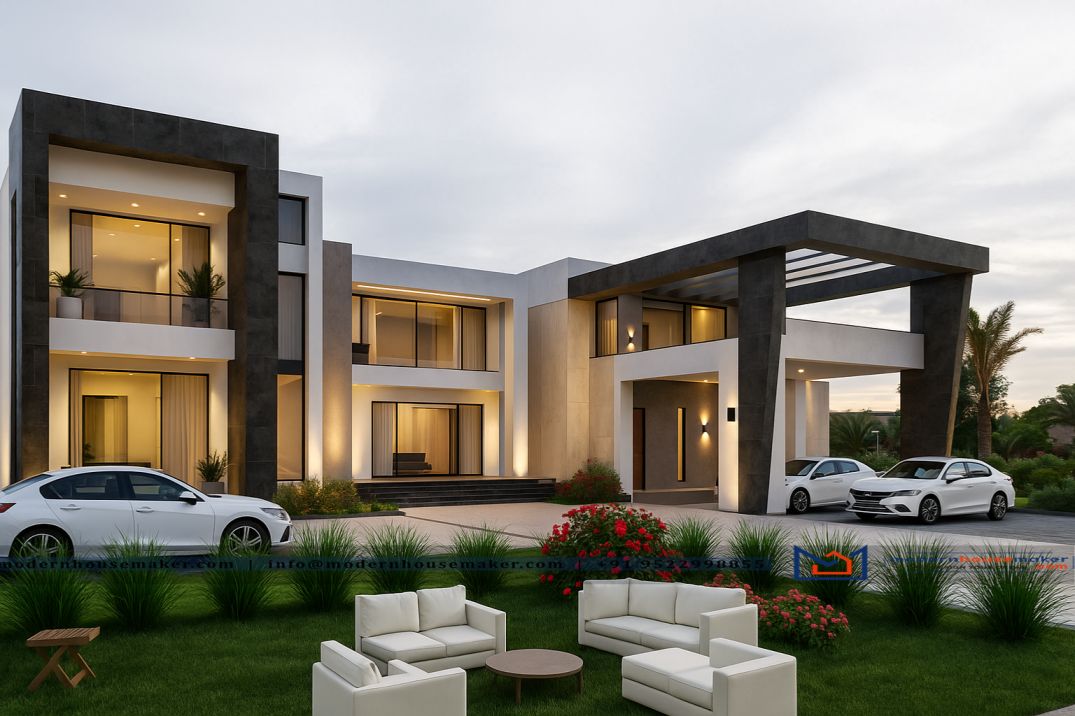
One hero material (stone or textured render) + one warm accent (wood/wood‑look). Keep joints clean, add deep shade, and invest in good exterior lights.
Want this adapted to your city and plot? Send the plot size, facing, and any must‑have rooms. We’ll sketch a starting layout you can react to.